



Rattan Headboards
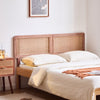
Few pieces of furniture transform a bedroom as quickly as a rattan headboard: the cane weave dresses the wall behind the bed with a natural, artisanal texture, without adding any visual weight. Where other headboards make a bold statement, rattan plays with lightness: light filters through the weave, the sleeping area breathes, and the room takes on a warm character that is immediately felt. This page will help you choose a rattan headboard suited to your bed and your style, integrate it into a contemporary bedroom, and care for it with ease.
Why choose a rattan headboard?
Rattan brings two qualities to the wall behind the bed that are rarely found together: character and lightness. It is this dual effect that explains its enduring appeal in the bedroom.
Adding a natural, artisanal touch to the sleeping area
Rattan weaving is a living material: every strand, every crossing speaks of craftsmanship that the eye perceives instantly. Above the bed, this texture creates a warm focal point, lending character even to the most understated bedroom. Paired with soft bed linen and a few natural materials, it establishes a soothing atmosphere — somewhere between a bohemian spirit and Scandinavian softness — without requiring any further decorative effort. It is often the one strong element a bedroom truly needs.
Creating an airy feel without weighing down the wall
Unlike a solid panel, cane weave allows light and the eye to pass through: the wall behind the bed is dressed, yet never closed off. This transparency makes a rattan headboard ideal for medium-sized bedrooms or bright rooms, where a bulky piece of furniture would overwhelm the space. The effect is one of effortless elegance: the bed is beautifully framed, the room feels larger, and the overall look remains visually calm — perfectly conducive to rest.
How to incorporate rattan into a contemporary bedroom?
Rattan is not reserved for bohemian interiors: used with a measured hand, it fits perfectly into a bedroom with clean, modern lines.
Pairing cane weave with light wood and soft textiles
The winning combination is simple: cane weave on the wall behind the bed, light wood for the furniture, and soft textiles for the bedding. A rattan bedside table can extend the material on one side of the bed, provided you keep things measured: two to three natural fibre elements are enough in a single room. For bed linen, opt for washed linen, cotton gauze, and calm tones — off-white, sand, soft green, pale terracotta: the weave stands out best against plain backgrounds. Light walls in off-white or beige complete the look, allowing light to play through the cane.
Balancing bohemian style with Scandinavian lines
To avoid an all-out bohemian look, anchor the rattan within clean lines: a straight frame, furniture with simple silhouettes, and minimal decorative accumulation. This is the very essence of the Scandinavian spirit: the natural material brings warmth, the line brings calm. A headboard with cane weave set within a refined wooden frame perfectly illustrates this balance: it has the charm of craftsmanship and the discipline of design. If the rest of your furniture is already heavily wood-based — such as a chest of drawers or bedside tables in natural wood — rattan will provide precisely the textural contrast that prevents uniformity.
What dimensions should you choose based on your bed and available space?
The rules of proportion apply to rattan just as they do to any other material. Width first: align yourself at minimum with the width of the mattress. For a 160x200 bed, the proportions of a 160 headboard provide the right reference; for a compact double bed, those of a 140 headboard. Then consider height: since cane weave lends itself well to generosity, a visible section of at least fifty centimetres above the mattress showcases the weave to its best advantage; any less and the effect is lost. Finally, think about clearance: in a small bedroom, the visual lightness of rattan is an asset, but do check that the fixing method — wall-mounted or attached to the bed base — suits your configuration. One last practical note: if you enjoy reading propped up in bed for long periods, add large cushions or consider a fabric headboard, which is softer to lean against — rattan favouring aesthetics over back support.
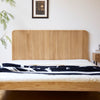
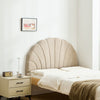
One final note on proportion: shape. Rattan headboards come in a straight frame — more graphic and naturally Scandinavian — or in a rounded silhouette, more bohemian and enveloping. The rounded shape benefits from a clear wall to stand out fully; the straight frame adapts more easily to a wall already occupied by wall lights or artwork. In a room with low ceilings, opt for a silhouette that extends in width rather than height, so as not to visually compress the space.
Nordlys rattan headboards: material, care and visual harmony
Nordlys rattan headboards combine neat, even weaving with stable wooden frames, for a piece that is as durable as it is decorative. Care is straightforward: regular dusting with a soft cloth or the brush attachment of a vacuum cleaner, a barely damp cloth when needed, and a position away from direct heat sources to preserve the flexibility of the fibres. With these simple steps, the rattan retains its luminous tone and its shape for years to come. For a harmonious look, complete the sleeping area with bedside tables in clean lines — light wood or cane weave depending on the balance you are after — and let the wall behind the bed set the mood: that is precisely the role a rattan headboard is made for. Before making your choice, keep three simple reference points in mind: the exact width of your bed, the desired visible height above the mattress, and the number of natural fibre elements already present in the room. With these answers, your cane weave will find its rightful place: that of a luminous, artisanal material that sets the tone for the entire bedroom, without ever weighing it down.


